The K-Shaped Economy and the Unpredictable Superpower

America’s New Economic Reality: Growth, Power, and Fragility
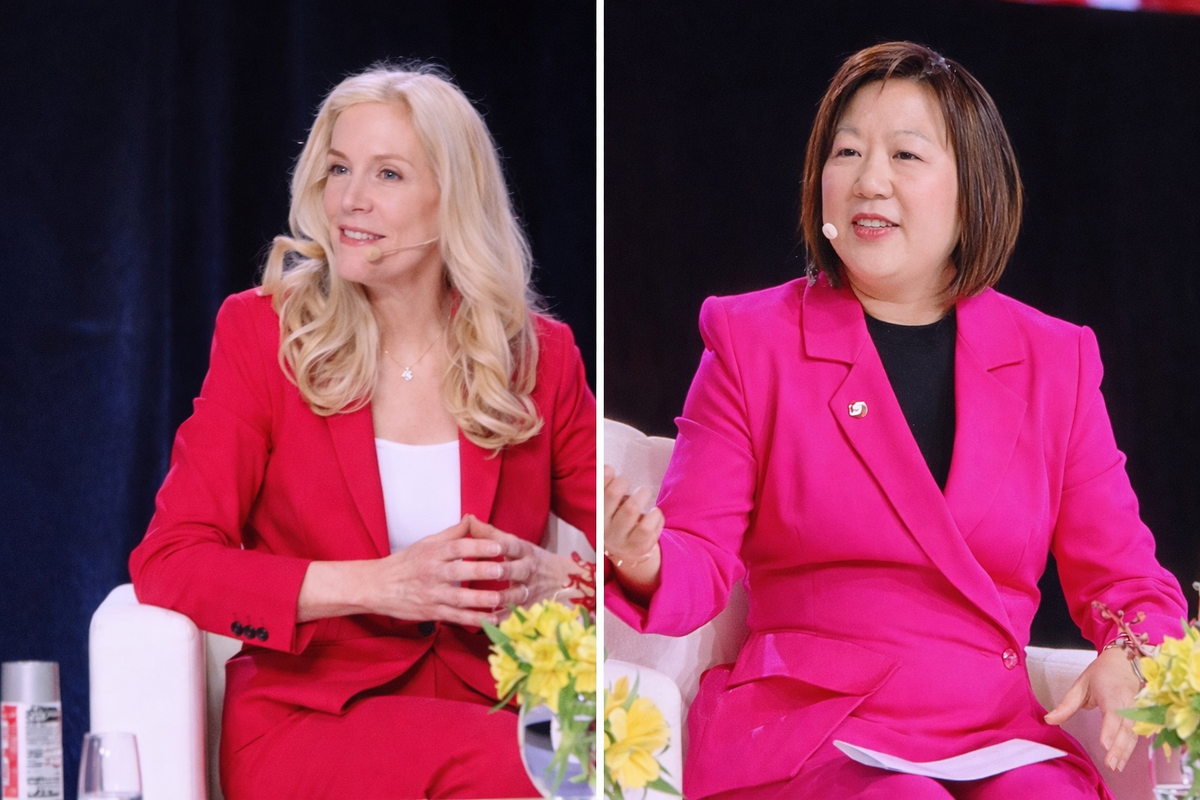
Jean Chia in conversation with Lael Brainard at the Bank of Singapore “Beyond 2026” Conference (8th January 2026)
The Bank of Singapore recently hosted one of the more substantive macro conversations I've attended in a while — Jean Chia, their Global CIO, in dialogue with Lael Brainard, former Vice Chair of the Federal Reserve and former Director of the National Economic Council. The setting was timely. The conversation was candid.
A few things stuck with me.
The Fed is under pressure, and markets should pay attention. The current administration has made no secret of its desire to influence monetary policy — including publicly floating the idea of removing the Fed chair. Brainard was clear: the Fed remains data-dependent and will hold rates as long as growth stays solid, but will cut if unemployment rises. The independence of the institution is being tested in ways we haven't seen before, and that uncertainty alone has consequences for how global investors price U.S. assets.
The dollar's dominance is being quietly eroded. Not dramatically, not overnight — but the combination of challenging Fed independence, adding $4 trillion to the national debt, and treating long-standing trade agreements as negotiating props has shaken foreign investor confidence. The dollar weakened notably over the past year. Further softening is plausible if the Fed cuts while other central banks hold. The reserve currency status that the U.S. has taken for granted for decades is not unconditional.
The AI boom is real — but it's not lifting all boats. This was the most striking part of the conversation for me. AI infrastructure investment was essentially the sole driver of U.S. growth in the first half of the year. Strip it out and growth would have been negative. It's attracting capital, dominating equity markets, and producing impressive headline numbers — but it's job-light growth. Data centers don't hire at scale. Meanwhile, manufacturing, housing, healthcare, and groceries remain painfully expensive for most Americans.
The result is a textbook K-shaped economy. The top quarter — those with equity portfolios and appreciating homes — are doing well. Everyone else is not. That tension will eventually surface politically, and the midterms may be the first real test.
On ASEAN specifically, the tariff-first approach has pushed regional partners to explore trade arrangements that deliberately exclude the U.S. That's a long-term strategic cost that revenue arithmetic doesn't capture.
The overall picture Brainard painted was of a powerful economy running on a narrow engine, led by an administration that prizes dealmaking over institutional predictability. For those of us allocating capital across markets, that's not a reason to panic — but it is a reason to stay eyes-open.
#macroeconomics #USPolicy #AI #federalreserve #ASEAN
Disclaimer: This article is based on my own notes and synthesis from the session. It was drafted with AI assistance.